
In today’s capital-constrained environment US startups especially in medical devices, hardware, wearables, and healthtech are under immense pressure to stretch runway without compromising quality or regulatory standards.
One powerful (yet under-leveraged) lever? Strategic manufacturing partnerships in India.
India is no longer just a low-cost outsourcing destination. It is rapidly becoming a high-skill, regulatory-aligned, innovation-friendly manufacturing ecosystem that can help startups reduce costs by up to 30% 40%, while maintaining global compliance and quality standards.Heres how:
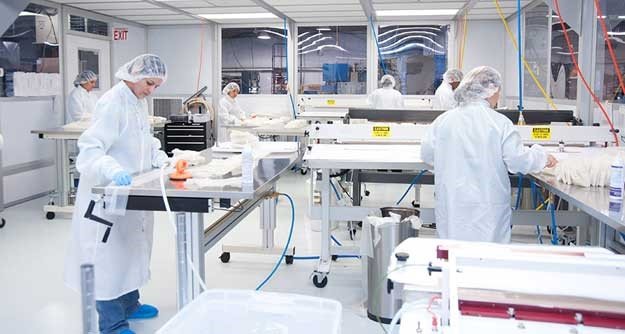
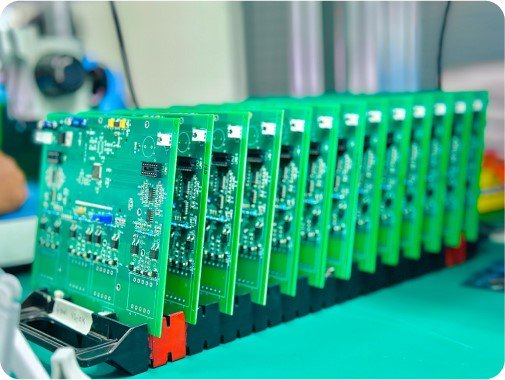
Lower Operating Costs
India offers significantly lower:
For hardware and medical device startups, manufacturing labor can cost 40-60% less than US equivalents, without sacrificing technical capability.
Mature Supplier Ecosystem
Cities like:
have developed clusters in:
This concentration reduces logistics and vendor fragmentation costs.
India produces over a million engineers annually. Many are experienced in:
Instead of hiring 45 high-salary US engineers, startups can build a hybrid team model:
This structure alone can reduce engineering overhead by 30-50%.
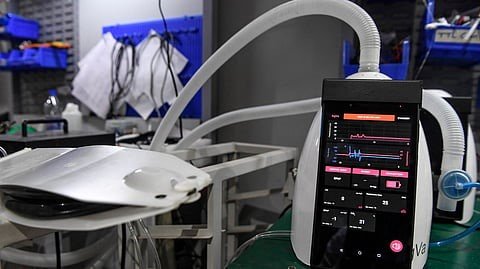
Many US startups face a gap:
India offers end-to-end continuity:
This reduces:
India’s manufacturing push—under initiatives like “Make in India”—provides:
For regulated sectors like medical devices, India has established Medical Device Parks and regulatory pathways aligned with global norms.
This translates into:
Partnering in India does more than reduce cost.
It opens:
For US startups aiming to build globally scalable companies not just US-focused products India becomes a strategic growth base.
| Cost Component | Potential Savings |
|---|---|
| Labor & Assembly | 40-60% |
| Engineering Support | 30-50% |
| Facility & Overheads | 25-40% |
| Tooling & Vendor Markups | 20-35% |
| Logistics Optimization | 10-20% |
Combined structured savings: ~30% - 40% overall manufacturing cost reduction
Cost savings only materialize when partnership is strategic, not transactional.
The most successful startups adopt a bridge model:
This hybrid model:
For US startups in hardware, medical devices, diagnostics, and healthtech, manufacturing in India is no longer just about cheap labor.
It is about:
The right partnership can extend runway by months or even years while accelerating time to market.